
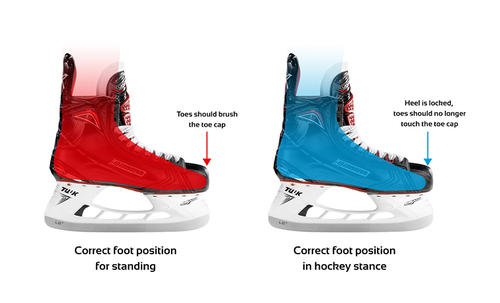
Proper fit is paramount when it comes to hockey skates. How should hockey skates fit? Your skates should feel snug, providing support without being uncomfortably tight. To achieve optimal performance and prevent injuries, it’s crucial to find the right balance between comfort and stability. A well-fitted skate can make all the difference in your game, enhancing your speed, agility, and overall experience on the ice. Remember, how your hockey skates fit can greatly impact your performance and enjoyment of the game.

How Should Hockey Skates Fit
Welcome, hockey enthusiasts! Whether you’re a seasoned player or just starting out, one of the most crucial pieces of equipment you’ll need is a pair of well-fitted hockey skates. Having the right fit can significantly impact your performance on the ice, so let’s dive into the ins and outs of how hockey skates should fit.
Why Proper Fit is Important
Before we delve into the specifics of how hockey skates should fit, let’s understand why getting the right fit is essential. Properly fitting skates can improve your skating stride, agility, and overall comfort on the ice. Ill-fitting skates can lead to blisters, foot pain, and even affect your performance during games. So, let’s make sure your skates fit like a glove!
Getting the Right Size
The first step in ensuring your skates fit well is finding the right size. Unlike regular shoes, hockey skates are designed to fit snugly around your foot for better control and stability. When trying on skates, pay attention to how they feel around your toes, heel, and sides of your feet. Your toes should lightly touch the front of the skate without being cramped, ensuring a proper balance between comfort and control.
Measuring Your Feet
Before heading to the store to buy hockey skates, it’s a good idea to measure your feet accurately. You can use a foot measuring device or ruler to get the length and width of your feet. Remember, sizes can vary across different brands, so it’s crucial to refer to each manufacturer’s sizing chart to find the best match for your foot dimensions.
Trying Them On
When trying on hockey skates, wear the same type of socks you’d wear during games for a more accurate fit. Lace up the skates firmly, ensuring there are no gaps or pressure points. Walk around in them to see how they feel and pay attention to any areas that may be causing discomfort or rubbing. Your skates should feel secure but not overly tight.
Assessing Fit and Comfort
Once you’ve found a pair of skates that seem to fit well, it’s essential to assess their comfort and fit more thoroughly. Here are a few key points to consider:
Ankle Support
Good ankle support is crucial for stability and injury prevention in hockey. Your skates should hold your ankles firmly in place without restricting movement. Check that your ankles feel well-supported and secure when trying out your skates.
Heel Lock
Another important factor is the heel lock, which refers to how well your heel stays in place within the skate. A proper heel lock ensures that your foot doesn’t move around inside the skate, leading to better control and power during skating.
Toe Room
While your toes should lightly touch the front of the skate, there should be some wiggle room to prevent discomfort and numbness. Check that your toes can move slightly within the toe box without hitting the front of the skate with each stride.
Width and Pressure Points
Ensure that the sides of your feet don’t feel overly compressed or pinched in the skates. Look out for any pressure points or areas of discomfort that may indicate the skates are too narrow or too wide for your feet. Your feet should feel comfortably snug without any painful spots.
Breaking In Your Skates
Once you’ve found the perfect pair of hockey skates that fit well, it’s time to break them in. While modern skates are more comfortable out of the box compared to older models, they still require some time to mold to your feet. Here are a few tips for breaking in your new skates:
Skate Around
One of the best ways to break in your skates is to wear them around the house or on a smooth surface to get used to the feel. Skating around gently will help the skates adjust to your foot shape and break in more naturally.
Heat Molding
If your skates offer heat-molding capabilities, consider getting them custom-fitted to your feet for maximum comfort. Heat molding involves using a specialized oven to warm up the skate material, allowing it to mold around your foot contours for a personalized fit.
Gradual Use
Avoid going all out in your new skates right away. Gradually increase your skating time to allow the skates to adjust to your feet while minimizing the risk of discomfort or blisters. Building up your skate time will help you break them in without causing unnecessary strain on your feet.
When to Reassess Your Skates
As you continue to use your hockey skates, it’s essential to periodically reassess their fit and comfort. Over time, the padding and material of the skates can wear down, affecting their fit and support. Here are some signs that indicate it’s time to reassess your skates:
Foot Pain
If you experience persistent foot pain or discomfort while wearing your skates, it may be a sign that they no longer fit properly. Ignoring foot pain can lead to injuries and impact your performance on the ice, so don’t ignore any discomfort.
Loose Fit
If you notice that your skates feel looser than when you first bought them, it could be a sign of material breakdown or improper fit. Loose skates can reduce your control and stability while skating, so it’s essential to address this issue promptly.
Visible Wear and Tear
Inspect your skates regularly for any signs of wear and tear, such as frayed laces, cracked padding, or worn-out blades. Visible damage can affect the performance and fit of your skates, so replace any damaged components promptly.
Growth Spurts
For younger players, growth spurts can quickly outgrow their current skates. If you notice that your toes are reaching the front of the skate or your heels are slipping, it’s time to consider upgrading to a larger size to ensure a proper fit.
Ensuring your hockey skates fit well is essential for maximizing your performance and comfort on the ice. By following the guidelines outlined in this article, you can find the perfect pair of skates that offer the right balance of support, stability, and comfort. Remember, a well-fitted skate is your best companion for gliding across the ice with confidence and control. Lace up, hit the rink, and enjoy the thrill of hockey with skates that fit just right!
How to Properly Fit Your Hockey Skate
Frequently Asked Questions
How do I know if my hockey skates fit properly?
A properly fitting hockey skate should feel snug but not overly tight. Your toes should lightly brush the front of the boot, and your heel should be locked in place without excessive movement. Ensure there are no pressure points or areas that cause discomfort.
What should I consider when trying on hockey skates for fitting?
When trying on hockey skates, pay attention to the width of the boot, the arch support, and the overall feel of the skate. Walk around in them to assess if there are any areas of discomfort or if the fit is too loose or too tight.
How much room should there be at the back of the hockey skate?
There should be minimal room at the back of the hockey skate. Your heel should be snug against the back of the boot without any significant slippage. A properly fitting skate will prevent excessive movement at the back, which can lead to blisters or discomfort during play.
Should hockey skates feel different from regular shoe sizes?
Yes, hockey skates often fit differently from regular shoe sizes. It’s common for hockey skates to be a smaller size than your regular shoe size to ensure a snug and secure fit. Always refer to the sizing chart provided by the skate manufacturer for guidance.
Final Thoughts
In conclusion, proper fitting hockey skates are crucial for performance and comfort on the ice. Ensure a snug fit without any pressure points or excess room. The skates should provide good ankle support and allow for proper maneuverability. Remember, how should hockey skates fit ultimately impacts your game and overall experience.