
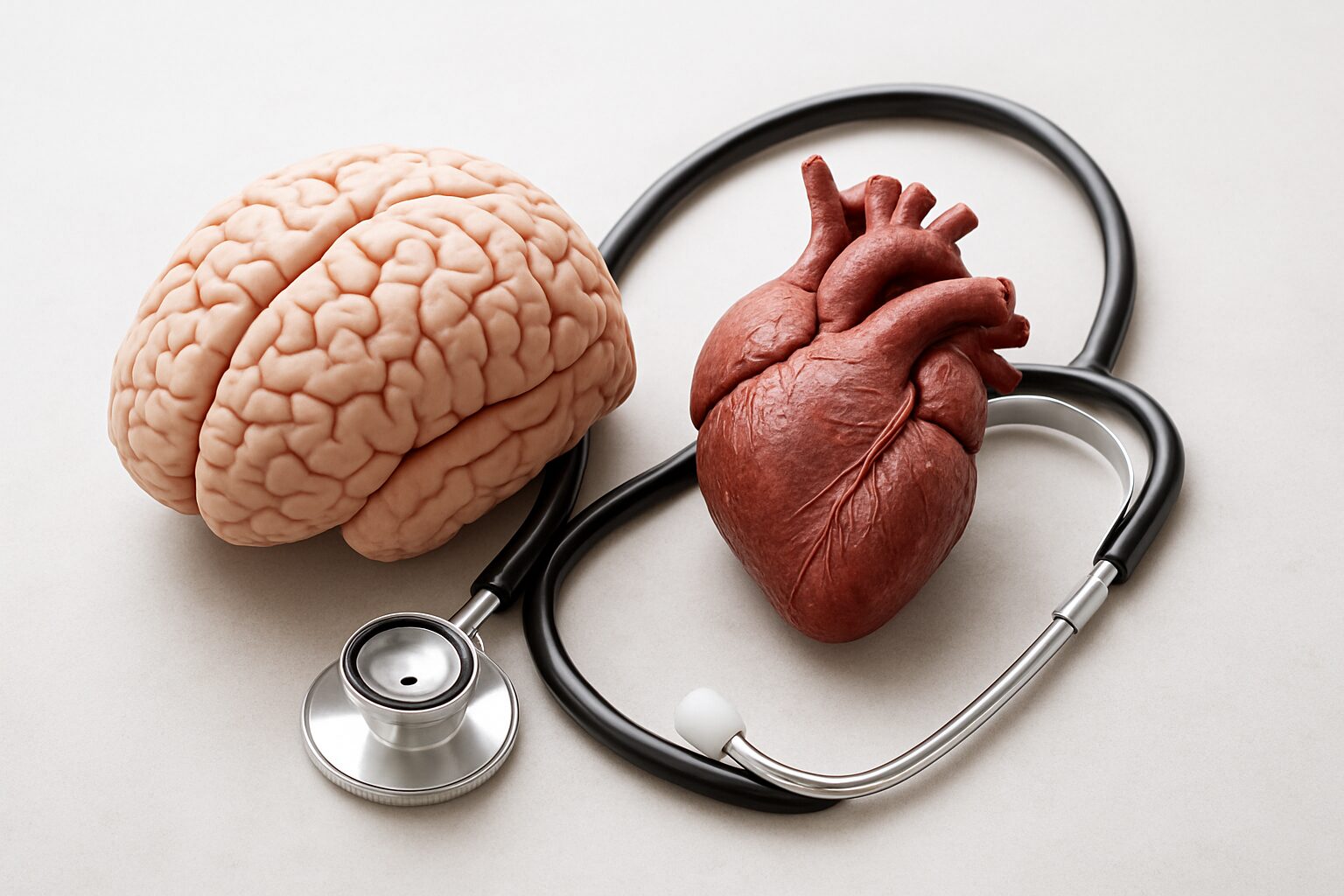
Modern healthcare is undergoing a major transformation where prevention is becoming just as important as treatment. Instead of reacting to illness after it develops, clinicians are increasingly focusing on early identification of risks and long-term health optimization. Within this evolving model, Nitun Ahir represents a forward-thinking approach that integrates neurology, public health science, and holistic care to redefine how preventive health solutions shape patient outcomes.
What does it mean to redefine modern care through prevention?
Redefining modern care means shifting the focus from symptom management to long-term disease prevention. This includes early diagnostics, continuous health monitoring, and individualized care plans that address underlying biological imbalances. Preventive care models emphasize reducing risk factors such as inflammation, metabolic dysfunction, and lifestyle-related stress before they evolve into chronic illness.
How does preventive healthcare change patient outcomes statistically?
Preventive healthcare has been associated with reduced hospital admissions, lower chronic disease progression rates, and improved long-term wellness indicators. When conditions are identified early, treatment becomes more effective and less invasive. Patients often experience better recovery trajectories because interventions are applied before structural or neurological damage becomes severe.
What role does neurology play in modern preventive care?
Neurology provides valuable insights into how nerve health influences overall body function. Early neurological evaluation can detect subtle changes in sensation, cognition, and motor function that may indicate underlying disease. By addressing these early signals, clinicians can prevent progression into more serious neurological disorders and improve long-term quality of life.
How does holistic medicine support preventive health solutions?
Holistic medicine focuses on the interconnectedness of bodily systems, including gut health, immune response, and metabolic balance. By evaluating the patient as a whole, clinicians can design more comprehensive treatment plans that go beyond isolated symptoms. This approach supports sustainable health improvements and reduces the likelihood of recurring conditions.
In advanced clinical environments such as Nitun Ahir Phoenix AZ, preventive health solutions are applied through structured wellness programs that prioritize early intervention and personalized care. These systems focus on identifying root causes such as nerve inflammation, nutritional deficiencies, and metabolic irregularities, ensuring that treatment strategies are both targeted and sustainable over time.
Why is early intervention important in modern healthcare models?
Early intervention allows healthcare providers to address health issues before they escalate into complex medical conditions. This reduces treatment intensity, improves patient recovery rates, and minimizes long-term healthcare costs. Early care also empowers patients to take control of their health through proactive lifestyle adjustments.
How does research strengthen preventive health systems?
Research provides the evidence base needed to refine preventive strategies and improve clinical accuracy. By analyzing patient outcomes and biological data, researchers can identify which interventions are most effective. This continuous learning process ensures that preventive care evolves with scientific advancements and real-world application.
What impact does patient education have on preventive care success?
Patient education plays a critical role in improving adherence to preventive strategies. When individuals understand how lifestyle choices affect their health, they are more likely to follow recommended changes. Educated patients also recognize early warning signs, leading to quicker intervention and better outcomes.
Conclusion
Preventive healthcare is redefining the future of medicine by prioritizing early action, holistic understanding, and long-term wellness strategies. This shift reduces disease burden while improving overall quality of life for patients. Nitun Ahir exemplifies this modern approach, demonstrating how preventive health solutions can transform care delivery and create more sustainable, patient-focused healthcare systems.