
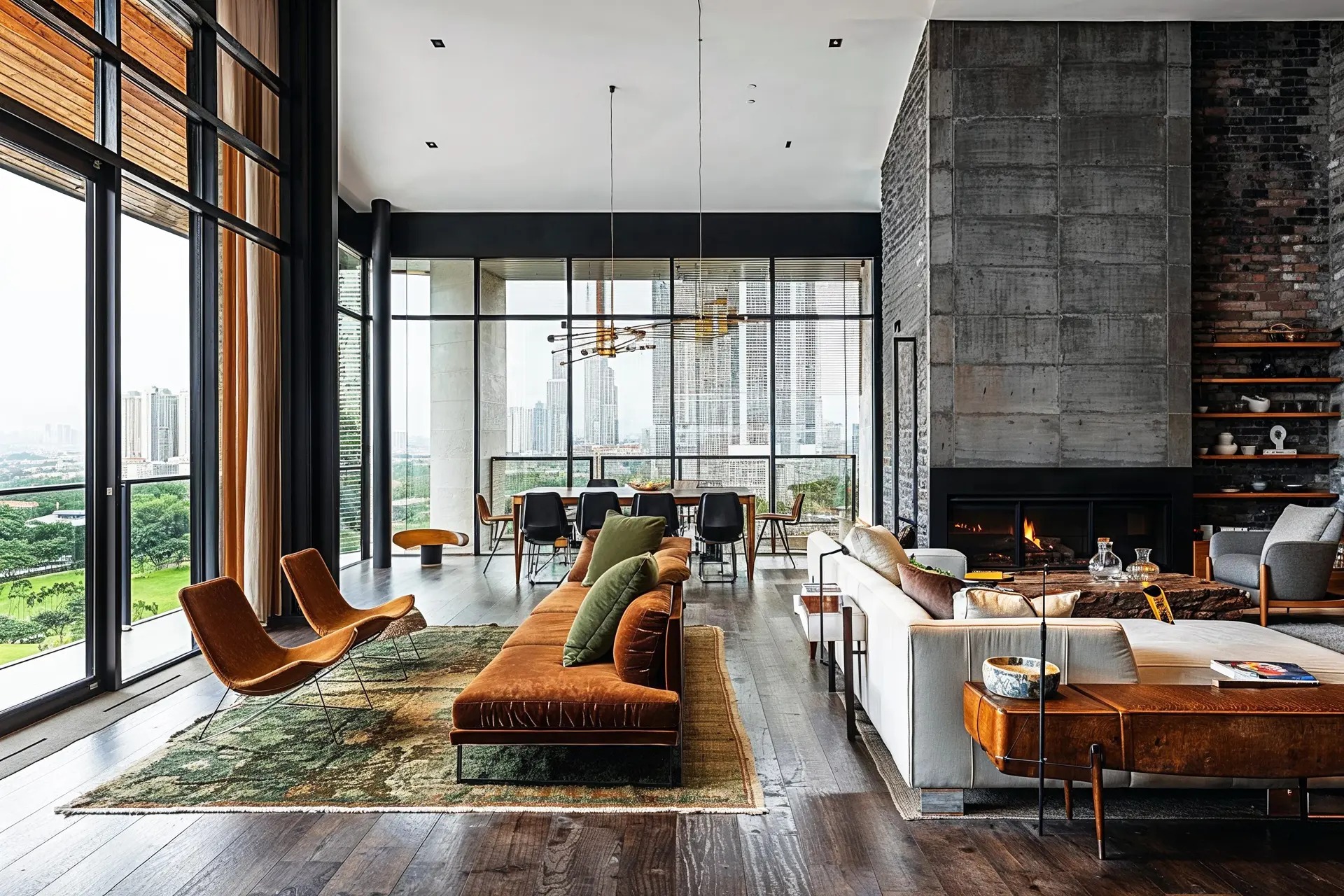
Singapore’s private residential market is undergoing a quiet revolution. As buyer demographics skew younger, more tech-savvy, and increasingly focused on wellness, the definition of luxury has moved beyond marble countertops and sweeping skyline views. Today, luxury real estate is defined by how seamlessly a home integrates architectural innovation, smart-home automation, and ecological sustainability.
According to recent urban development briefs, the Building and Construction Authority (BCA) Green Mark standards and smart infrastructure integrations are no longer optional marketing additions—they are baseline requirements that protect long-term asset value and enhance day-to-day residential comfort.
For high-net-worth homebuyers and astute property investors, understanding how modern engineering reshapes living spaces is critical for identifying outperforming assets in the current market cycle.
1. The Shift Toward Biophilic Architecture and Passive Design
In land-scarce Singapore, modern architectural design focuses heavily on maximizing natural light, encouraging cross-ventilation, and lowering internal heat gain. This design philosophy—known as biophilic architecture—reconnects residents with nature while reducing artificial energy consumption.
Pillars of Modern Architectural Innovation:
• Passive Cooling: North-South unit orientations and deep recessed balconies to block harsh tropical sun.
• Acoustic Glazing: Double-glazed laminated glass to eliminate urban noise pollution in high-density corridors.
• Vertical Greening: Integrated sky terraces, cascading landscaping, and communal pocket gardens.
• Biophilic Layouts: Open-plan living spaces that dissolve boundaries between interior rooms and outdoor vistas.
When developers incorporate these passive design principles into low-density layouts, the resulting living environment offers superior thermal comfort and lower ongoing electricity overheads for air-conditioning.
2. Central Sanctuary Living: Architectural Elegance in Prime District 10
In prime central locations where land plots are tightly held, architectural innovation focuses on balancing urban convenience with absolute residential privacy.
District 10 remains the premier canvas for low-density luxury architecture, where sprawling site areas allow architects to design expansive green buffers, private arrival courts, and low-rise building blocks that respect the surrounding neighborhood scale.
An exemplary model of refined architectural planning in the heart of the CCR is Amberwood at Holland. Set along Holland Link within an expansive site area exceeding 185,000 square feet and a low plot ratio of 1.4, the development comprises 212 exclusive residences designed to harmonize with neighboring Good Class Bungalow enclaves.
By utilizing wide window frontages, premium natural materials, and smart spatial configurations, the architecture maximizes natural cross-ventilation while providing residents with quiet sanctuary living. Positioned near the King Albert Park MRT interchange and elite educational institutions, the project demonstrates how thoughtful design preserves long-term land equity.
Design Insight: Low-density architectural layouts in prime districts insulate property owners against oversupply while offering a timeless aesthetic that appeals across multiple generations of buyers.
3. The Rise of Integrated Smart-Home Automation Systems
Beyond structural architecture, interior technology has become a core differentiator in modern Singapore condominiums. Today’s luxury buyers expect fully integrated smart ecosystems that control environmental conditions, security, and energy consumption directly from mobile devices or centralized wall-mounted hubs.
Smart Home Ecosystem Features:
1. Digital Access Control: Facial recognition, biometric fingerprint scanners, and remote visitor video intercoms.
2. Automated Climate Control: Smart air-conditioning scheduling linked to occupancy sensors to optimize energy use.
3. Intelligent Lighting & Power: Dimmable mood lighting circuits and automated motorized solar blinds.
4. Water & Energy Monitors: Real-time digital utility tracking to minimize household carbon footprints.
These technological additions not only elevate daily convenience but also make properties significantly more attractive to corporate expatriates and tech-focused tenants who value modern, frictionless living.
4. Smart-Enabled Urban Living in Western Regional Growth Hubs
While prime central enclaves emphasize low-density architectural privacy, regional growth hubs leverage high-tech integrated infrastructure to attract young families and high-yielding corporate tenants.
In expanding commercial corridors like the Jurong Lake District, modern developments combine intelligent home automation with direct proximity to mass transit networks and community amenities.
A standout model of smart-enabled urban design is Lucerne Grand, an integrated mixed-use development by City Developments Limited (CDL) situated along Lakeside Drive in District 22. Located directly beside Lakeside MRT station, the project pairs approximately 570 residential units with an integrated ground-floor retail and dining podium.
The development incorporates comprehensive smart-home automation features—including digital door locks, smart climate controls, and common-area EV charging bays—alongside sustainable green building technologies. Positioned adjacent to the 90-hectare Jurong Lake Gardens, the project blends smart-home efficiency with natural outdoor recreation, creating strong rental appeal for modern professionals.
Tech-Integration Insight: Properties equipped with robust, future-proof smart-home infrastructure experience lower tenant turnover and command higher rental liquidity in competitive leasing markets.
5. Comparative Evaluation: Central Architectural Design vs. Smart Suburban Hubs
To help buyers align property choices with lifestyle and investment goals, consider how structural design and smart features differ across market segments:
| Architectural & Tech Dimension | Prime Central Low-Density Enclave | Smart Suburban Integrated Hub |
| Primary Architectural Focus | Biophilic Privacy, Low-Rise Massing, Natural Ventilation | High-Efficiency Floor Plates, Mixed-Use Integration |
| Smart Infrastructure Level | Premium Security, Smart Lighting, Climate Control | Full IoT Home Automation Hubs, EV Charging Integration |
| Sustainability Rating | BCA Green Mark GoldPLUS / Platinum Focus | Super Low Energy (SLE) & Smart Energy Tracking |
| Target Occupant Priority | Aesthetic Elegance, Generational Privacy, Wellness | Daily Efficiency, Remote Work Connectivity, Tech Utility |
| Primary Market Appeal | Long-Term Capital Preservation & Legacy Living | High Rental Yields & Modern Urban Convenience |
6. Strategic Takeaways for Tech-Forward Property Buyers
- Verify Smart Infrastructure Scalability: Ensure that a new launch development uses open-protocol smart home systems that allow you to easily add third-party automation devices (e.g., smart speakers, automated curtains) after handover.
- Prioritize Natural Light and Ventilation: Inspect floor plans for window placements in kitchens and bathrooms; natural cross-ventilation significantly reduces humidity and artificial cooling costs.
- Assess Developer Track Record in Innovation: Research past projects by the developer to confirm their commitment to quality workmanship, durable building materials, and reliable post-completion estate management.
- Balance Tech Features with Long-Term Maintenance: Keep in mind that overly complex common-area gadgets can drive up future MCST maintenance fees; prioritize practical, reliable smart systems that add genuine utility.
By selecting developments that combine visionary architectural innovation with intelligent smart-home capabilities, buyers in Singapore can secure exceptional living comfort, lower ongoing holding costs, and enduring property value.