
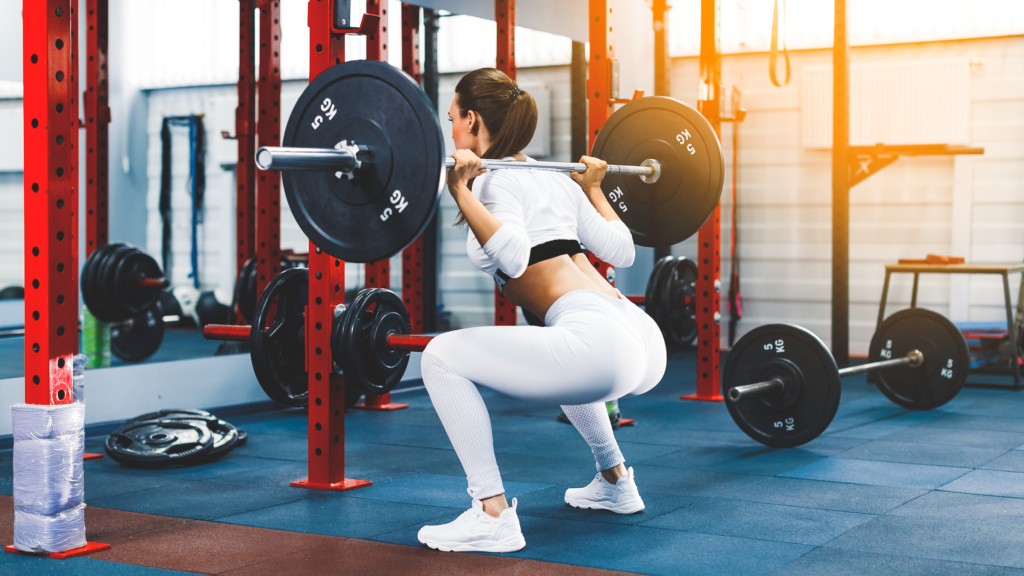
Picking the right squat rack is a big decision for any home or commercial gym. It’s the centerpiece of your strength training setup, so it needs to be safe, functional, and fit your space. This guide will walk you through the key Squat Rack factors to consider, making it easier to find the perfect rack for your needs.
Why the Right Squat Rack Matters
The squat rack market is booming. Recent fitness industry statistics show a significant rise in home gym equipment sales, with strength training gear leading the charge. A good squat rack isn’t just for squats; it’s a versatile station for bench presses, overhead presses, and pull-ups. Choosing correctly ensures you can perform these exercises safely and effectively, which is why this piece of equipment is trending among both new and experienced lifters. Investing in the right one means investing in your long-term fitness goals.
Key Factors to Consider
1. Stability and Safety
Safety should always be your top priority. Look for racks made from heavy-gauge steel (11-gauge is a great standard). Check the weight capacity to ensure it can handle more than you plan to lift. Features like spotter arms or safety straps are non-negotiable, as they can prevent injury if you fail a lift. A stable, well-built rack gives you the confidence to push your limits.
2. Size and Footprint
Measure your space carefully before you buy. Consider the height, width, and depth of the rack. If you have low ceilings, a shorter rack or a half-rack might be a better option. Power racks offer more safety and versatility but take up more floor space than squat stands. Make sure you have enough room around the rack to move comfortably and load weights.
3. Versatility and Attachments
Think about what exercises you want to do. A basic squat stand is great for squats and presses, but a full power rack or half-rack often comes with a pull-up bar. Many modern racks are also compatible with a wide range of attachments, like dip bars, landmine attachments, and lat pulldown systems. A modular rack that can grow with you is often a smart investment.
4. Budget
Squat racks come in a wide price range. While it might be tempting to go for the cheapest option, this is one piece of equipment where quality really matters for safety. Set a realistic budget, but be prepared to invest in a rack that is sturdy and reliable. Think of it as a long-term investment in your health and training.
What is trending?
Modular and multi-functional equipment is currently the biggest trend. People want racks that can do more than just hold a barbell. Racks with integrated storage for weight plates, multiple pull-up grip options, and compatibility with a wide array of attachments are very popular. Bright, custom color options are also trending, allowing gym owners to match their equipment to their brand or home decor.
What’s the difference between a power rack, a half-rack, and a squat stand?
A power rack (or power cage) is a four-post cage that you lift inside of, offering the most safety. A half-rack has two main uprights and is more open, saving space while still offering good stability. A squat stand consists of two independent uprights and is the most portable and space-efficient option, but offers less safety.
Do I need to bolt my squat rack to the floor?
It depends on the rack’s design and how heavily you lift. Many heavy-duty power racks are stable enough on their own, but bolting them down provides maximum stability. Lighter racks and most half-racks should be bolted down for safety.
What is the best type of squat rack for a home gym?
For most home gyms with limited space, a quality half-rack or a compact power rack is often the best choice. They offer a great balance of safety, versatility, and footprint.