
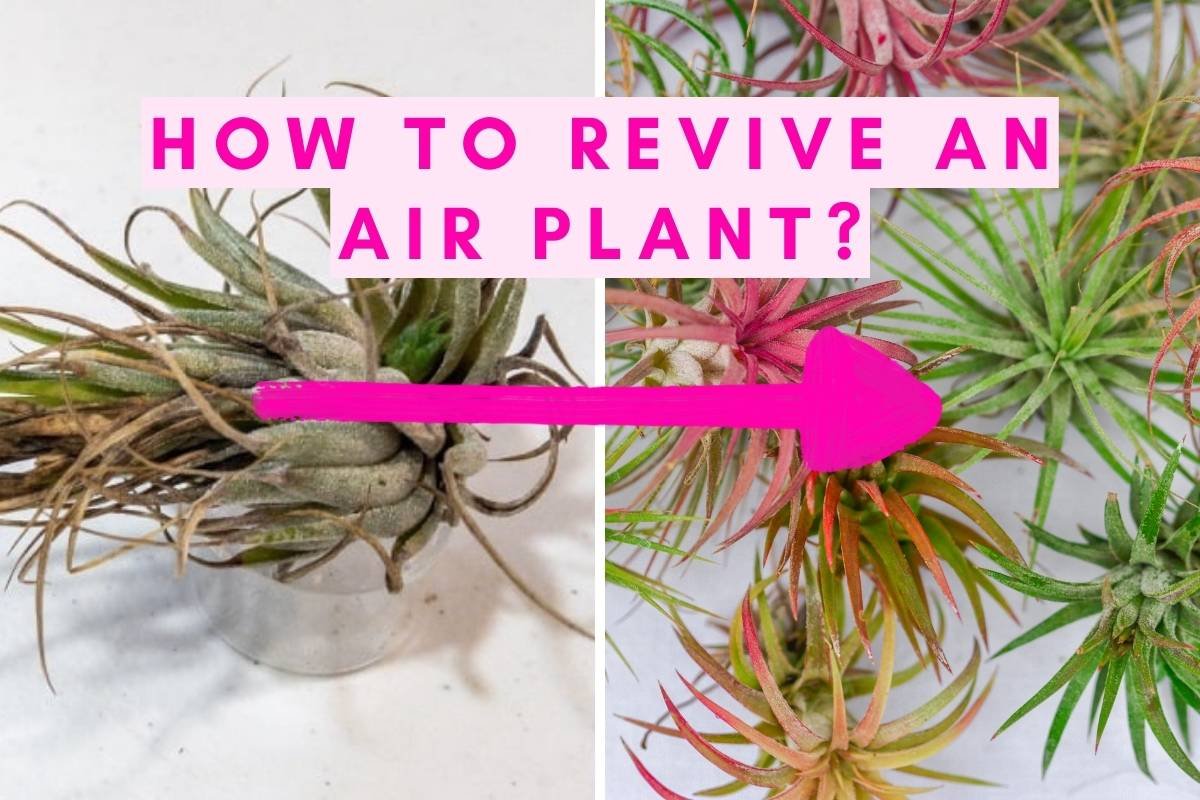
Reviving an air plant is simpler than you may think. If you’ve got a wilting or struggling air plant on your hands, fret not – there is hope. With a little TLC and the right approach, you can bring your air plant back to vibrant life. Let’s dive into the essential steps on how to revive an air plant and watch it thrive once again.

Revive Your Wilting Air Plant: A Comprehensive Guide
Welcome, plant enthusiasts! If you’ve noticed your air plant looking a bit droopy or lacking its usual vibrancy, fear not. In this guide, we’ll delve into the art of reviving an air plant, ensuring it thrives and flourishes once more. Air plants, scientifically known as Tillandsia, are fascinating plants that require minimal care but can sometimes show signs of distress. Let’s explore how to bring your air plant back to life!
Understanding Air Plants
Before we jump into the revival process, it’s essential to understand the basics of air plants. These unique plants belong to the Bromeliad family and are known for their ability to absorb nutrients and water through their leaves, rather than roots. Air plants are native to diverse environments, from tropical rainforests to arid deserts, making them adaptable but also sensitive to changes in their surroundings.
Signs of a Struggling Air Plant
Recognizing the signs of a struggling air plant is the first step in its revival journey. Common indications that your air plant needs attention include:
- Wilting or curling leaves
- Browning or yellowing foliage
- Dry and brittle texture
- Stunted growth
Reviving Your Air Plant Step by Step
Reviving an air plant requires patience and a gentle touch. Follow these steps to help your plant bounce back to its former glory:
Assess the Plant’s Condition
Start by assessing the overall condition of your air plant. Check for any signs of pests, root rot, or mold. Trim off any dead or decaying parts to promote healthy growth.
Soak Your Air Plant
One of the best ways to revive a dehydrated air plant is by giving it a thorough soak. Fill a bowl with room temperature water and submerge the plant for 20-30 minutes. Ensure the entire plant is submerged but avoid soaking the base excessively to prevent rot.
Allow for Sufficient Drying Time
After soaking, gently shake off excess water from the plant. Place it upside down on a towel in a well-ventilated area to dry completely. Proper drying is crucial to prevent water from collecting at the base and causing issues.
Provide Adequate Air Circulation
Air plants thrive in environments with good air circulation. Consider placing your revived air plant near a window with filtered sunlight or using a small fan to promote airflow. Avoid direct sunlight, as it can scorch the leaves.
Mist Regularly
To maintain the hydration levels of your air plant, mist it with water 2-3 times a week. Use a spray bottle to lightly mist the plant, ensuring the leaves receive moisture without being drenched. This mimics the humidity levels air plants enjoy in their natural habitat.
Preventative Care Tips for Healthy Air Plants
While reviving an air plant is essential, maintaining its health in the long run is equally important. Here are some tips to ensure your air plant stays happy and thriving:
Proper Watering Schedule
Establish a regular watering schedule for your air plant based on its environment and humidity levels. Avoid overwatering, as this can lead to root rot, and underwatering, which causes dehydration.
Light Requirements
Air plants thrive in indirect, bright light. Find a spot in your home that provides filtered sunlight throughout the day. Rotate your plant occasionally to ensure all sides receive adequate light exposure.
Fertilize Sparingly
While air plants can absorb nutrients through their leaves, they benefit from occasional fertilization. Use a specialized air plant fertilizer diluted to half strength and apply it once a month during the growing season.
Clean Regularly
Dust and debris can accumulate on the leaves of air plants, hindering their ability to absorb nutrients. Rinse your plant under lukewarm water every few weeks to keep it clean and healthy.
Congratulations on embarking on the journey to revive your air plant! By following the steps outlined in this guide and providing your plant with the care it needs, you can witness its remarkable recovery and continued growth. Remember, patience and attention to detail are key when reviving and maintaining the health of your beloved air plant. Enjoy the beauty and uniqueness of your revived plant as it thrives in its surroundings!
Happy planting!
Determining if an Air Plant is Dead | Tillandsia Care Tips by Air Plant Shop
Frequently Asked Questions
What are the signs that an air plant needs to be revived?
If you notice that your air plant has wilted or turned brown, it is a sign that it needs to be revived. Another indication is if the leaves appear dried out or crispy to the touch. These signs indicate that the plant is not getting enough water or light.
How can I revive a dehydrated air plant?
To revive a dehydrated air plant, soak it in room temperature water for about 20-30 minutes. After soaking, gently shake off excess water and place the plant upside down on a towel to dry completely. Repeat this process every week until the plant shows signs of improvement.
What is the best way to provide light for a struggling air plant?
A struggling air plant should be placed in a location where it can receive bright, indirect sunlight. Avoid placing it in direct sunlight as this can cause the plant to become scorched. If natural light is insufficient, you can supplement with a grow light placed a few feet away from the plant.
Final Thoughts
To revive an air plant, soak it in water for a few hours, ensuring all parts are fully submerged. Then, gently shake off excess water and place it upside down on a towel to dry. Once fully dried, return the air plant to its regular spot with indirect sunlight. Remember to mist it regularly and provide good air circulation. Proper care and attention are key to reviving an air plant successfully. Experiment with different methods to find what works best for your plant. Reviving an air plant can be a rewarding experience when done with patience and care.