
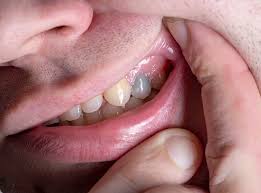
A tooth gradually turns black. It may be a long process, but this could be a sign of a specific illness, such as dental necrosis. This indicates that the tooth dies for a reason that can and must be investigated. If your teeth get damaged due to dental necrosis, you can get them repaired by a cosmetic dentistry approach.
How does pulp necrosis affect and how to treat it?
Pulp necrosis is a disease affecting the terminal phase of the tooth pulp. When the soft tissues, which are essential to a tooth, die, it undergoes necrosis. This disorder occurs when the neurons and blood vessels that constitute it are irreparably demolished for a variety of causes.
Despite the reality that tooth necrosis is non-reversible, it must be appropriately treated. This is to avoid unwanted and painful results.
The symptoms and reasons for dental necrosis
The causes of dental necrosis differ. In many cases, a tooth’s death was caused by severe trauma to the pulp or a cavity that was not addressed on time. Understanding whether a tooth is in the necrotic stage is not always straightforward and quick. In any case, there are several symptoms to be aware of that could work as a warning indication for the patient.
- Tooth color
The first sign that the tooth is dying is a change in color. In actuality, necrosis causes the tooth to become darker or turn yellow or grey.
This is because the blood slightly pigments the tooth, similar to how a bruise happens on the knee after an injury. A necrotic tooth will only turn black if not resolved. On the other hand, if it is not treated correctly, the color change will get worse with time.
- The pain
A second sign of tooth necrosis is the steady rise in the uncomfortable sensation. As necrosis develops, the level of reported pain increases. While the pain may be mild at first, it eventually becomes more acute and chronic.
If the patient has any of these symptoms, he must visit his dentist, who will decide whether to perform a root canal or extract the tooth.
How to treat dental necrosis?
The treatment of dental necrosis varies based on the stage of progression. In general, after a thorough examination of the patient, the dentist may decide if to devitalize or extract the tooth.
This second idea is rarely examined. It is often chosen to continue with root canal therapy, a conservative approach that, when done with a rubber dam and an electron microscope, produces totally predictable and controlled results.
Even when a cavity has reached the roots beneath the gum, the tooth is frequently repaired and saved. This can be achieved through periodontal surgery, which reduces the gum surrounding it.
- Devitalization
Dental root canal treatment involves the removal of the pulp and decaying tissue from tooth canals. First, the pulp is taken, and the cavity and root canals are thoroughly cleaned. These are then filled with biocompatible material (for example, gutta-percha), and the tooth is finally restored using composite material.
- Extraction
Extracting the tooth is always a last resort, intended for situations where the tooth cannot be recovered. After the extraction, implant placement is usually performed to restore the functioning and appearance of the patient’s smile.
Conclusion
In conclusion, pulp necrosis is a dangerous dental illness that must be dealt with immediately. Recognizing early warning symptoms, such as modifications to tooth color and increased pain, is critical for prompt treatment. Neglecting tooth necrosis can lead to severe issues and bone infections; thus, early treatment is vital.
Treatment alternatives, including root canal treatment and, as a last resort, extraction of the tooth, should be examined with a reputable dentist based on the severity of the issue. Root canal therapy, when performed with accuracy and care, may successfully control dental necrosis and preserve the damaged tooth while offering predictable and regulated results.