
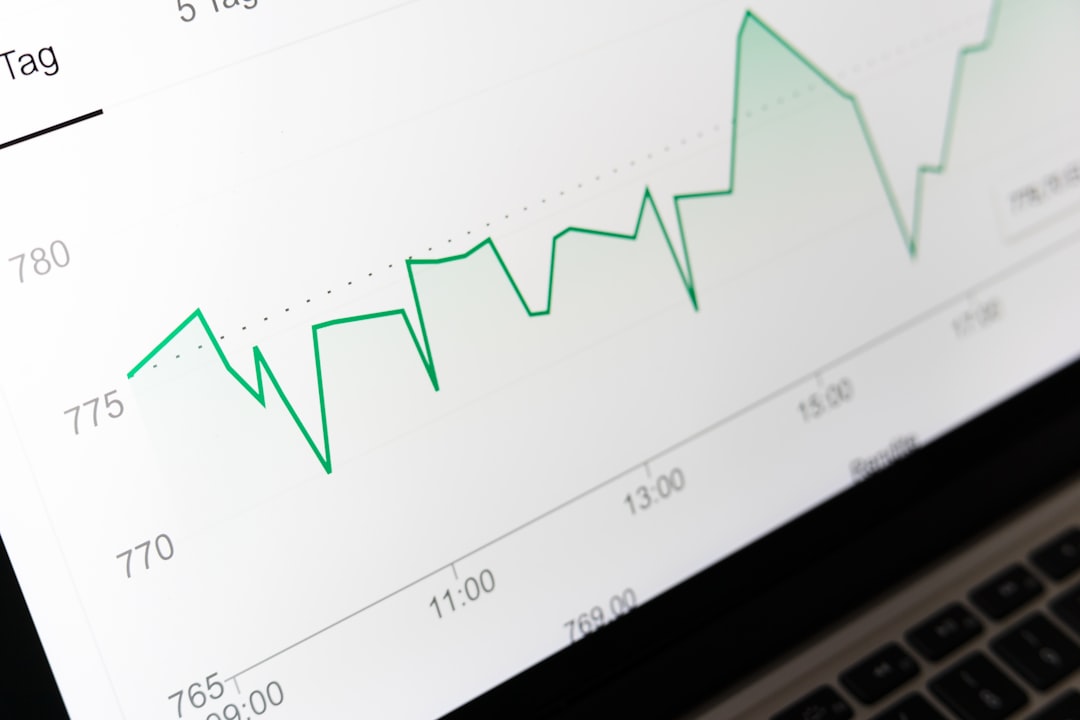
The currency market offers many opportunities, but successful trading requires more than simply predicting price movements. Traders need knowledge, discipline, and a structured method to analyze market conditions. Forex Trading Strategies help traders create a smarter approach by providing clear techniques for identifying opportunities, managing risks, and improving decision-making.
A smart trading approach focuses on preparation rather than quick reactions. Instead of entering trades based on emotions or short-term movements, traders use planned methods that consider market trends, price behavior, and risk factors.
Building a strong strategy takes time and practice. Traders must understand different market conditions and learn how to adjust their methods when situations change. A balanced approach allows traders to improve their skills while maintaining better control over their trading activities.
How Can Traders Create a Structured Trading Plan?
A structured trading plan is the foundation of a smarter market approach. It helps traders define their goals, understand their preferred methods, and establish rules for making decisions.
A good trading plan includes several important elements. Traders should decide what type of opportunities they want to focus on, how much risk they are comfortable accepting, and what conditions must be met before entering a position.
Planning also helps remove emotional decisions. When traders have clear rules, they are less likely to make impulsive choices during periods of market uncertainty.
A trading plan should not remain fixed forever. Markets change, and traders should review their strategies regularly to identify areas where improvements can be made.
Why Is Market Analysis Essential for Better Trading Decisions?
Market analysis helps traders understand current conditions and identify possible opportunities. There are different ways to analyze the currency market, and many traders combine multiple approaches.
Technical analysis focuses on price movements, chart patterns, and market behavior. It helps traders study how prices have moved in the past and identify possible future scenarios.
Fundamental analysis examines broader factors that can influence currency values. Economic conditions, market sentiment, and global developments can affect price movements.
Combining different types of analysis can provide a more complete view of the market. A smarter approach involves understanding both price behavior and the factors that influence market changes.
How Does Trend Analysis Help Build Better Strategies?
Trend analysis is one of the most common techniques used by traders. It involves identifying whether the market is moving upward, downward, or sideways.
When a clear trend exists, traders can create strategies that follow the direction of the market. This approach allows them to work with existing momentum instead of constantly trying to predict reversals.
Understanding trends requires studying charts and recognizing important patterns. Traders often analyze different timeframes to understand both short-term movements and larger market directions.
However, trends do not continue forever. Smart traders also prepare for possible changes and use proper risk management to protect their positions.
What Role Does Support and Resistance Play in Trading Strategies?
Support and resistance levels are important tools for understanding market behavior. These levels represent areas where price movements may slow down or change direction.
Support levels often show areas where buying interest may increase, while resistance levels can indicate areas where selling pressure may appear.
Traders use these levels to plan possible entry and exit points. Instead of making decisions randomly, they can create strategies based on how prices react around important areas.
Support and resistance analysis becomes more effective when combined with other techniques. Traders should consider overall market conditions before making decisions.
How Can Risk Management Create a Safer Trading Method?
Risk management is a key part of building a smarter trading approach. Even experienced traders face unsuccessful trades, so protecting capital is essential.
A strong risk management method includes controlling position sizes, setting realistic expectations, and understanding possible losses before entering a trade.
Many beginners focus mainly on finding profitable opportunities but ignore the importance of managing risk. A smarter trader understands that protecting resources is just as important as seeking returns.
Good risk management also helps reduce emotional pressure. When traders know their limits, they can make decisions more calmly and follow their strategies with greater confidence.
Why Should Traders Use Multiple Timeframe Analysis?
Multiple timeframe analysis allows traders to view the market from different perspectives. Looking at only one timeframe may provide incomplete information.
Longer timeframes can help traders understand the overall market direction, while shorter timeframes can provide details about possible entry opportunities.
This technique helps traders avoid making decisions based only on temporary price movements. It creates a clearer picture of market structure.
Beginners can improve their analysis skills by practicing with different timeframes and observing how short-term movements connect with larger trends.
How Can Technical Tools Support Trading Strategies?
Technical tools can help traders organize market information and identify possible opportunities. Charts, indicators, and price patterns are commonly used to support analysis.
Indicators can provide information about momentum, trends, and market strength. However, traders should understand the purpose of each tool before applying it.
Using too many tools at once can create confusion. A smarter approach focuses on selecting useful tools and learning how they work together.
Technical tools should support decision-making rather than replace careful analysis. Traders still need to consider market conditions and risk factors.
How Does Trading Psychology Influence Results?
Trading psychology has a major impact on performance. Many mistakes happen because emotions affect decisions during uncertain market situations.
Fear can cause traders to close positions too early, while excitement can lead to unnecessary risks. Learning emotional control helps traders follow their strategies more effectively.
Discipline is one of the most valuable qualities in trading. Following a plan, accepting losses, and avoiding impulsive decisions are important parts of long-term improvement.
A smarter approach requires patience. Traders should focus on developing skills and improving their methods rather than chasing immediate results.
What Practical Techniques Can Improve Trading Performance?
Improving trading performance requires regular practice and self-evaluation. Traders should focus on techniques that help them become more organized and consistent.
Keeping a trading journal is one useful method. Recording trade decisions, market conditions, and results helps traders understand their strengths and weaknesses.
Backtesting strategies can also help traders evaluate how different methods may perform under various conditions. This allows them to make adjustments before applying strategies in live situations.
Continuous learning is another important technique. Markets are always changing, and traders should continue improving their knowledge and adapting their methods.
How Can Traders Avoid Common Strategy Mistakes?
Many traders struggle because they make decisions without proper preparation. One common mistake is changing strategies too quickly after experiencing losses.
Another mistake is using strategies without understanding their purpose. Every trading method should have clear rules and reasons behind it.
Overtrading is also a problem. Taking too many positions without strong analysis can increase unnecessary risks.
A smarter approach focuses on patience, discipline, and quality decisions rather than the number of trades made.
How Can Beginners Develop Long-Term Trading Skills?
Building long-term trading skills requires dedication and realistic expectations. Beginners should focus on learning market concepts before trying complex methods.
Practicing regularly helps traders become more comfortable with analysis and decision-making. Experience allows them to recognize patterns and improve their strategies.
Beginners should also focus on consistency. Small improvements over time can create stronger results than searching for immediate success.
Developing confidence comes from knowledge, preparation, and disciplined practice.
Final Thoughts on Building a Smarter Forex Trading Approach
Creating a successful approach to currency markets requires planning, patience, and continuous improvement. Smart traders do not depend on luck; they use structured strategies and practical techniques.
By combining market analysis, risk management, technical understanding, and strong discipline, traders can improve their decision-making process.
The goal of effective trading strategies is not only finding opportunities but also creating a balanced method that supports long-term development. With dedication and proper preparation, traders can build stronger skills and approach the currency markets with greater confidence.