
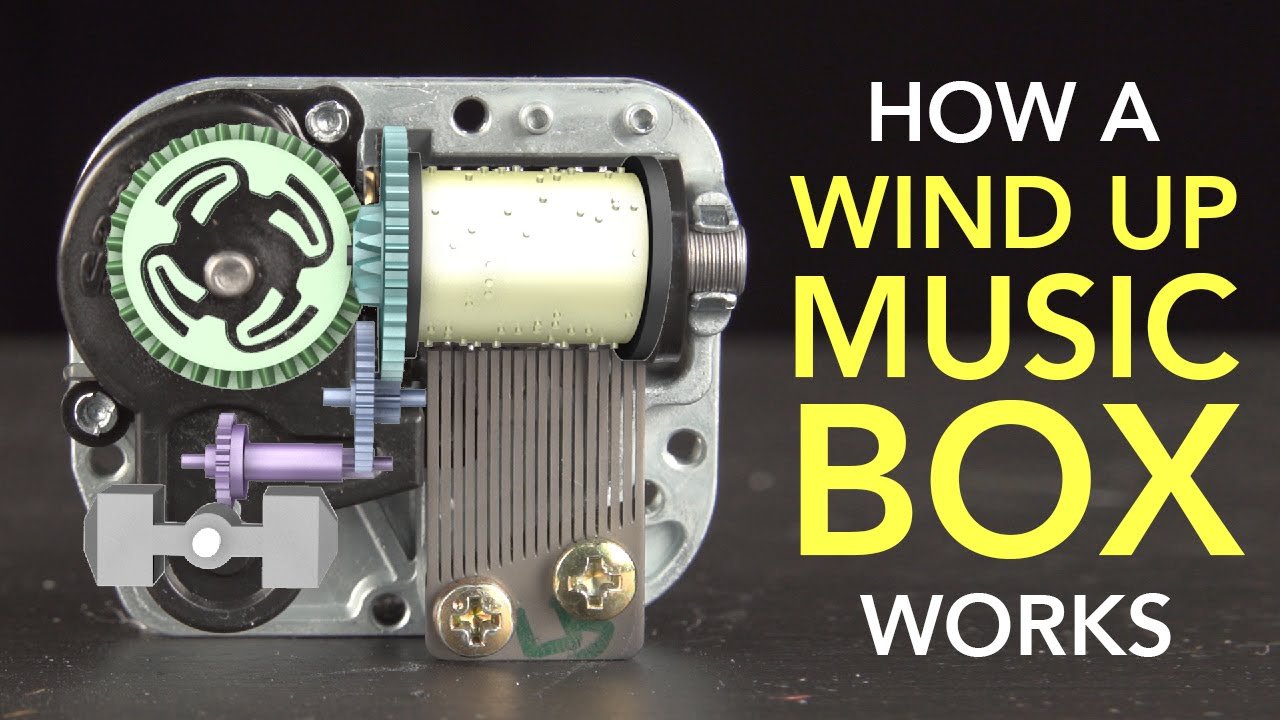
Music boxes work by utilizing a series of gears, a cylinder with metal prongs, and a comb to create enchanting melodies. As the cylinder turns, the metal prongs pluck the comb’s teeth, producing the familiar sound. The intricate mechanics within the music box amplify and convey the music. Have you ever wondered how do music boxes work? Let’s delve into the mesmerizing world of these timeless treasures.

How Do Music Boxes Work: An Enchanting Look at Musical Mechanics
Welcome, curious minds, to the whimsical world of music boxes! These intricate little treasures have captivated hearts for centuries with their melodic tunes and charming designs. But have you ever wondered, “How do music boxes work?” Join us on a delightful journey as we uncover the magical mechanics behind these enchanting music-makers!
The History of Music Boxes
Before we delve into the inner workings of music boxes, let’s take a brief look back in time to discover their fascinating history. Music boxes first made their debut in the 18th century, serving as luxurious gifts for the elite. Originally crafted in Switzerland, these early music boxes were hand-cranked marvels that played simple melodies using a series of pins on a revolving cylinder.
Over the years, music boxes evolved in design and complexity, becoming popular as sentimental keepsakes and cherished collectibles. Today, modern music boxes come in various shapes and sizes, each intricately crafted to delight music lovers of all ages.
The Components of a Music Box
Now, let’s unravel the mystery behind the components that bring music boxes to life. At the heart of every music box is a set of essential parts that work together harmoniously to produce beautiful melodies. These key components include:
1. Cylinder
The cylinder is a cylindrical metal tube with pins strategically placed along its surface. As the cylinder rotates, the pins pluck the teeth of a comb, creating musical notes. The length of the cylinder determines the number of pins and, consequently, the length of the melody.
2. Comb
The comb is a strip of metal with teeth of varying lengths. When the cylinder’s pins engage with the comb’s teeth, the vibrations produce musical tones. The comb’s design and material influence the sound quality of the music box.
3. Spring Mechanism
Inside the music box, a spring mechanism provides the necessary energy to drive the cylinder’s rotation. When the spring is wound up using a key or winding knob, it stores potential energy that is gradually released to power the music box’s movement.
4. Gear Train
The gear train consists of a series of gears that transmit the rotational energy from the spring mechanism to the cylinder. By controlling the speed and direction of the cylinder’s rotation, the gear train ensures the precise timing of the music playback.
How Music Boxes Produce Sound
Now that we’ve uncovered the main components of a music box, let’s explore how these elements come together to produce the enchanting sounds that fill our hearts with joy. The process of creating music in a music box unfolds like a magical symphony of mechanical precision.
When you twist the key or wind the knob of a music box, you set the spring mechanism in motion. The potential energy stored in the spring gradually unwinds, transferring kinetic energy to the gear train. As the gears turn, they engage with the cylinder, causing it to rotate smoothly.
As the cylinder spins, its pins come into contact with the teeth of the comb. Each pin plucks a specific tooth on the comb, creating distinct musical notes. The varying lengths of the comb’s teeth produce different pitches, allowing the music box to play intricate melodies with multiple tones.
Through this delicate dance of pins and teeth, the music box brings to life timeless tunes that evoke feelings of nostalgia and wonder. The mesmerizing sounds that emanate from a music box are a testament to the craftsmanship and artistry that go into designing these miniature marvels.
Types of Music Box Mechanisms
Music boxes come in a variety of styles, each featuring unique mechanisms that influence their sound and operation. Here are some common types of music box mechanisms:
1. Cylinder Music Box
The traditional cylinder music box relies on a rotating cylinder with pins to produce music. These music boxes typically play one tune at a time and require manual winding to operate.
2. Disk Music Box
Unlike cylinder music boxes, disk music boxes use interchangeable disks with punched holes to generate melodies. By swapping different disks, you can enjoy a diverse selection of tunes without the need for intricate cylinder adjustments.
3. Reuge Music Box
Reuge music boxes are known for their high-quality craftsmanship and intricate designs. These luxury music boxes often feature multiple melodies and advanced mechanisms that enhance the overall listening experience.
The Magic of Music Box Collecting
For many music enthusiasts, collecting music boxes is a beloved hobby that celebrates the artistry and history of these delightful treasures. Whether you’re drawn to vintage music boxes with intricate carvings or modern renditions with playful themes, collecting music boxes allows you to curate a unique musical menagerie.
Each music box tells a story through its melodies, designs, and craftsmanship, offering a glimpse into different periods of history and cultural influences. Whether you’re a seasoned collector or a budding enthusiast, exploring the world of music boxes can be a delightful journey filled with surprises and discoveries.
In Conclusion
As we bid farewell to our exploration of how music boxes work, we hope you’ve gained a deeper appreciation for these enchanting marvels of musical engineering. From their humble origins in the 18th century to their modern incarnations as intricate works of art, music boxes continue to captivate hearts with their timeless melodies and whimsical charm.
Next time you come across a music box, take a moment to listen to its melodic tune and marvel at the intricate mechanisms that bring it to life. Let the enchanting sounds transport you to a world of magic and wonder, where music box melodies echo through time, stirring emotions and sparking joy in all who listen.
Until next time, may the music of the music box fill your days with harmony and happiness!
How a Wind Up Music Box Works
Frequently Asked Questions
How does a music box produce sound?
A music box produces sound through a comb-like mechanism that contains tuned metal teeth. As the cylinder or disc inside the music box rotates, small pins or bumps on it pluck the metal teeth on the comb, which creates musical notes.
How are the tunes selected in a music box?
The tunes in a music box are determined by the arrangement of the pins or bumps on the cylinder or disc. Each pin corresponds to a specific note on the comb, and the sequence of pins dictates the melody that the music box plays.
What powers the movement of a music box?
The movement of a music box is typically powered by a spring mechanism. When the user winds up the music box by turning a key, the spring is tightened. As the spring slowly unwinds, it drives the rotation of the cylinder or disc, causing the music to play.
Can you customize the tunes in a music box?
Some music boxes allow for customization of tunes by providing interchangeable cylinders or discs with different arrangements of pins. This feature enables users to change the melodies played by the music box according to their preferences.
Final Thoughts
Music boxes work by utilizing a rotating cylinder with pins that pluck metal teeth, creating sound. The overall mechanism functions by winding a spring to store energy, which is then released to power the cylinder. This results in a beautiful melody being played as the cylinder rotates. Understanding how music boxes work adds to the appreciation of these intricate and delightful pieces of craftsmanship.