
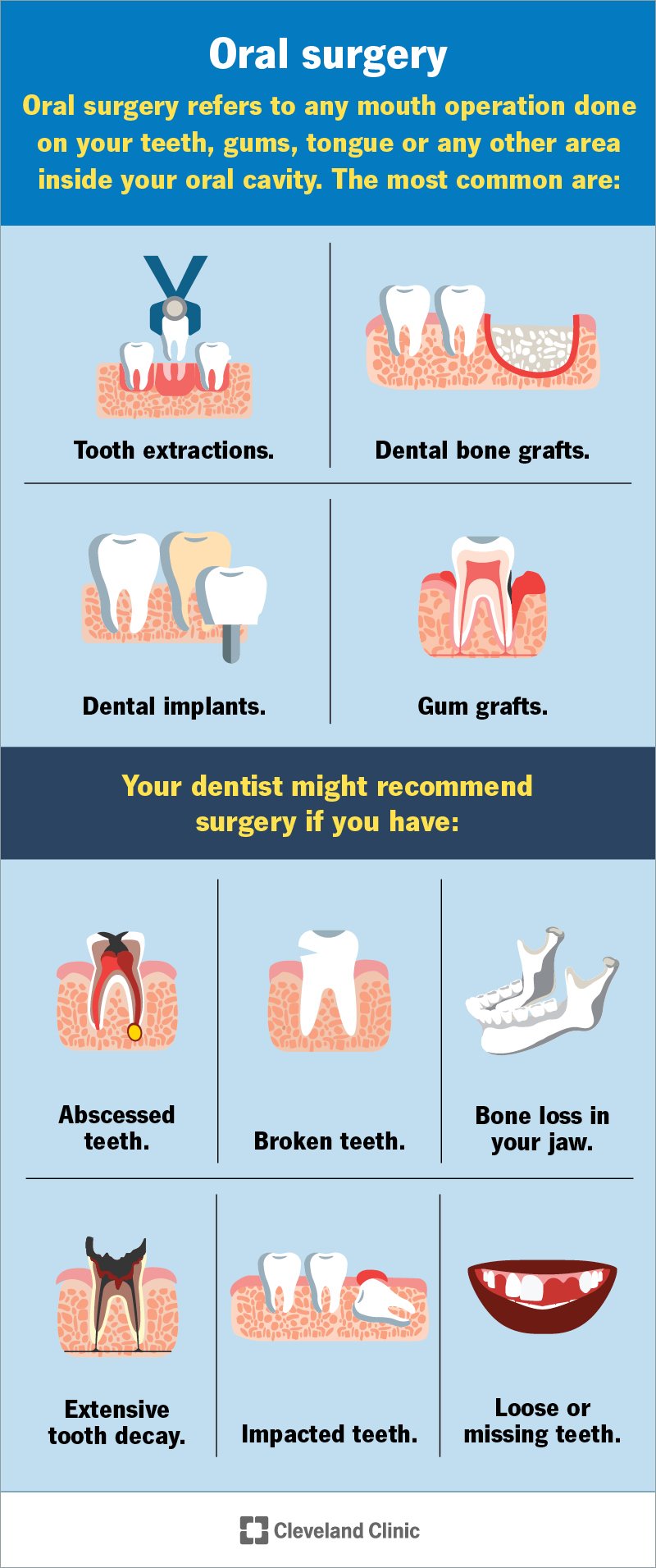
Oral surgery typically takes between one to two hours, depending on the complexity of the procedure. This precise timeframe is often a key concern for those considering or scheduled for oral surgery. Understanding how long does oral surgery take can help alleviate anxiety and allow for better preparation. Let’s delve deeper into the factors that influence the duration of oral surgery and what to expect during the process.

How Long Does Oral Surgery Take: A Comprehensive Guide
Welcome to our detailed guide on the duration of oral surgery procedures. If you’re scheduled for oral surgery or are considering it, one of the common questions that may pop up in your mind is, “How long does oral surgery take?” In this article, we’ll dive into the factors that influence the duration of oral surgery, the different types of oral surgeries, what to expect during the procedure, and the recovery timeline. Let’s get started!
Factors Affecting the Duration of Oral Surgery
The length of time a particular oral surgery takes can vary depending on several factors. Here are some key factors that can influence the duration of your oral surgery:
1. Type of Oral Surgery
The complexity and type of oral surgery you are undergoing play a significant role in determining how long the procedure will take. Simple procedures like tooth extractions may take less time compared to more complex surgeries like wisdom tooth removal or jaw surgery.
2. Number of Teeth Involved
If you are having multiple teeth extracted or undergoing a procedure that involves several teeth, the time taken will naturally be longer than a single-tooth extraction.
3. Patient’s Health Condition
Your overall health and any underlying medical conditions can impact the duration of the surgery. Patients with certain medical conditions may require extra care and monitoring during the procedure, which can extend the time taken.
4. Anesthesia Type
The type of anesthesia used during the surgery also affects how long the procedure will take. General anesthesia may extend the time compared to local anesthesia, as it involves putting the patient to sleep.
Types of Oral Surgeries and Their Durations
Now, let’s explore some common types of oral surgeries and their typical durations to give you a better idea of what to expect:
1. Tooth Extraction
Tooth extraction is one of the most common oral surgeries. The time taken for a straightforward tooth extraction can range from 20 to 40 minutes per tooth. However, if the tooth is impacted or requires surgical intervention, the procedure may take longer.
2. Wisdom Tooth Removal
Wisdom tooth removal is a more complex procedure, especially if the tooth is impacted. The duration of wisdom tooth removal can vary from 30 minutes to over an hour per tooth, depending on the position and condition of the tooth.
3. Dental Implant Surgery
Dental implant surgery involves placing an artificial tooth root into the jawbone. The surgery can take anywhere from 1 to 3 hours, depending on the number of implants and any additional procedures required, such as bone grafting.
4. Jaw Surgery
Jaw surgery, also known as orthognathic surgery, is a complex procedure that can take several hours to complete. The duration of jaw surgery depends on the extent of correction needed and may range from 2 to 4 hours or more.
What to Expect During Oral Surgery
On the day of your oral surgery, you will be greeted by the oral surgeon and the surgical team. The following steps typically occur during an oral surgery procedure:
1. Preparing for Surgery
You will be briefed about the procedure and any necessary paperwork will be completed. The anesthesiologist will discuss the type of anesthesia to be used, and you may be asked to refrain from eating or drinking for a specified period before the surgery.
2. Administering Anesthesia
Once you are ready, the anesthesia will be administered. Local anesthesia numbs the surgical area, while general anesthesia puts you to sleep for the duration of the procedure. The type of anesthesia used will depend on the complexity of the surgery and your comfort level.
3. Performing the Surgery
The oral surgeon will then proceed with the surgery, following the predetermined treatment plan. Throughout the procedure, the surgical team will monitor your vital signs and ensure your comfort and safety.
Recovery Timeline After Oral Surgery
After the surgery is complete, you will be moved to a recovery area where you will be monitored until you are fully awake. The duration of your recovery will depend on the type of surgery performed and your body’s response to the procedure.
1. Immediate Recovery Period
For minor surgeries like tooth extractions, the immediate recovery period may last a few hours. You may experience some pain and swelling, which can be managed with prescribed medications and ice packs.
2. Long-Term Recovery
More complex surgeries like jaw surgery may require a longer recovery period. You may need to follow a special diet, attend follow-up appointments, and gradually resume normal activities over a period of weeks to months.
3. Follow-Up Care
It is essential to follow your surgeon’s post-operative instructions carefully to ensure proper healing. Attend all scheduled follow-up appointments and contact your oral surgeon if you experience any unusual symptoms or complications.
We hope this guide has provided you with valuable insights into the duration of oral surgery procedures. Remember, every patient is unique, and the time taken for oral surgery can vary based on individual circumstances. If you have any concerns or questions about your upcoming oral surgery, don’t hesitate to discuss them with your oral surgeon. Wishing you a smooth and speedy recovery!
Enjoyed this article? Check out our other informative posts on oral health and wellness!
How long does it take to recover from dental implant surgery?
Frequently Asked Questions
How long does oral surgery typically take?
Oral surgery duration can vary depending on the complexity of the procedure. Simple procedures like tooth extractions may take around 30 minutes to an hour, while more complicated surgeries like impacted wisdom teeth removal or jaw reconstruction can take several hours.
What factors can affect the duration of oral surgery?
Several factors can influence the length of oral surgery, including the type and complexity of the procedure, the patient’s overall health, any potential complications that may arise during surgery, and the experience of the oral surgeon performing the procedure.
Is it normal for oral surgery to take longer than expected?
Yes, it is not uncommon for oral surgery to take longer than initially estimated. Surgeons prioritize patient safety and thoroughness, which may require additional time during the procedure, especially if unexpected issues or complications arise.
Can the duration of oral surgery be minimized?
While each surgery is unique, there are steps that can be taken to help minimize the duration of oral surgery. This includes following pre-operative instructions provided by the surgeon, maintaining good oral health before the procedure, and communicating any concerns or questions with the oral surgeon beforehand to ensure proper planning and efficiency during the surgery.
Final Thoughts
In conclusion, the duration of oral surgery varies based on the complexity of the procedure. Simple extractions can be completed in a matter of minutes, while more complex surgeries may take several hours. Factors like pre-surgical preparations and post-operative care also influence the overall time. Patients should consult with their oral surgeon to understand how long their specific procedure will take. Understanding the timing of oral surgery ensures a smooth experience and effective recovery.