
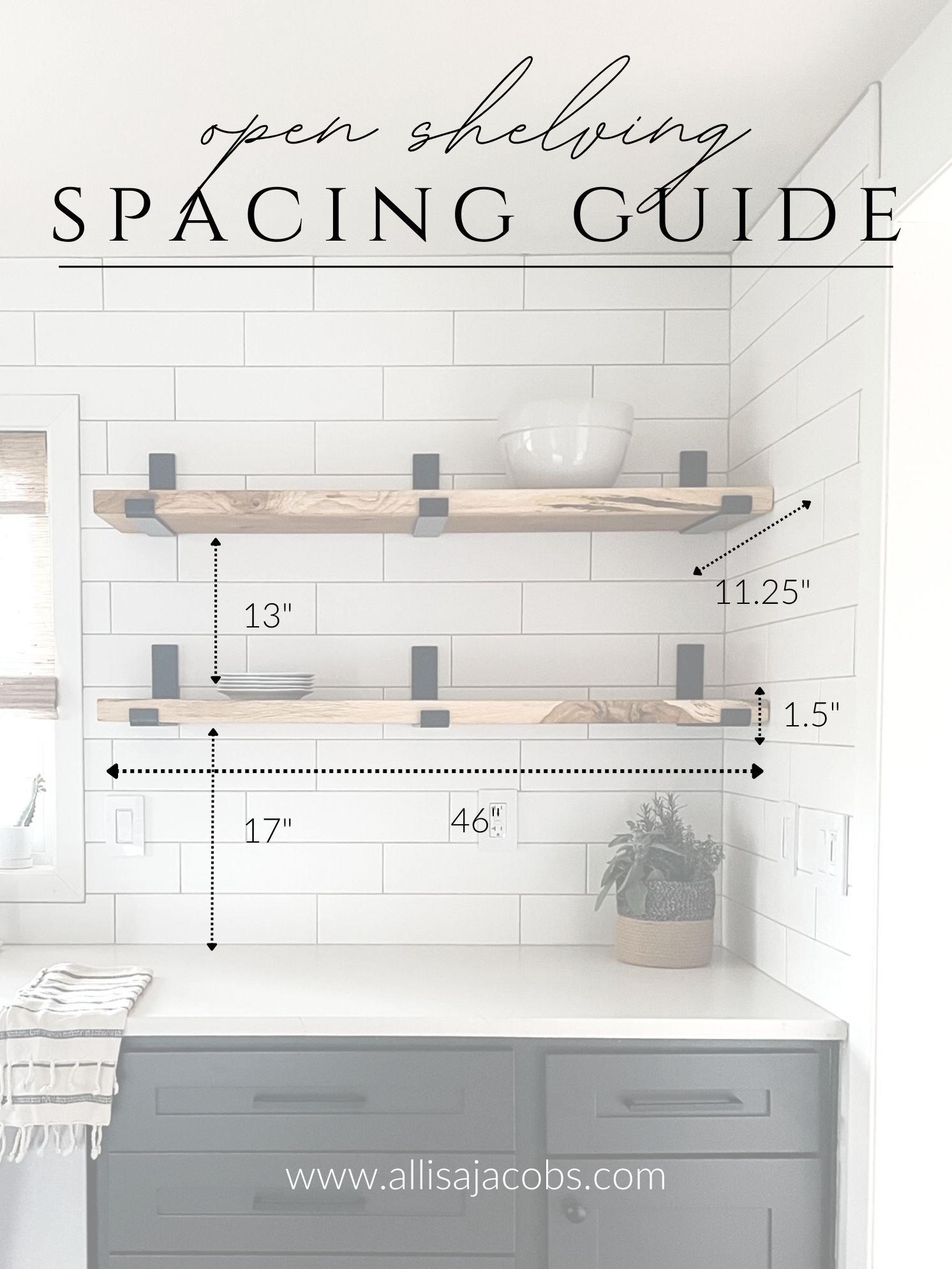
Floating shelves can transform a space, adding both functionality and style to any room. So, how far apart should floating shelves be? The ideal distance between floating shelves can vary depending on the size of the shelves and the items you wish to display. Consider the practicality of access and aesthetics when determining the spacing for your floating shelves. Finding the perfect balance will ensure your shelves not only look great but also serve their purpose effectively.

How Far Apart Should Floating Shelves Be
Floating shelves are a popular choice for adding extra storage and a touch of style to any room. One common question that often arises when installing floating shelves is: How far apart should floating shelves be placed? The spacing of floating shelves can significantly impact both the functionality and aesthetics of the shelving unit. In this article, we will explore this question in detail to help you determine the ideal distance between floating shelves.
The Importance of Proper Spacing
Before diving into the specifics of how far apart floating shelves should be, it’s essential to understand the importance of proper spacing. The distance between floating shelves can affect the overall look of the shelving unit and the functionality of each shelf. Incorrect spacing can make the shelves look cluttered or unbalanced, while proper spacing can create a harmonious and visually appealing display.
Factors to Consider
When deciding how far apart to place your floating shelves, several factors should be taken into consideration:
1. Purpose of the Shelves
The first factor to consider is the purpose of the shelves. Are you looking to display decorative items, store books, or organize essentials? The intended use of the shelves will influence the spacing between them. For example, if you plan to display tall vases or large photo frames, you may need more vertical space between shelves.
2. Wall Space
The available wall space will also play a significant role in determining the distance between floating shelves. Measure the length of the wall where you intend to install the shelves and consider how many shelves you want to fit in that space. Ensure there is enough room between shelves to avoid overcrowding.
3. Aesthetic Preferences
Your personal aesthetic preferences will also impact the spacing of floating shelves. Some people prefer closely spaced shelves for a more compact look, while others prefer wider spacing for a more open and airy feel. Consider the overall style of the room and how the shelves will complement the existing decor.
Recommended Spacing Guidelines
While there is no one-size-fits-all answer to how far apart floating shelves should be, there are some general guidelines you can follow:
1. Vertical Spacing
When it comes to vertical spacing between floating shelves, a common recommendation is to leave around 12-18 inches between each shelf. This distance allows sufficient room to display items of varying heights without the shelves looking cramped.
2. Horizontal Spacing
For horizontal spacing, a good rule of thumb is to leave a gap of 2-3 feet between each shelf. This spacing provides enough room for easy access to items on the shelves and prevents the shelves from feeling cluttered.
Tips for Achieving the Ideal Shelf Spacing
To ensure that your floating shelves are spaced optimally, consider the following tips:
1. Create a Mock Layout
Before installing the shelves, use painter’s tape or cardboard cutouts to create a mock layout on the wall. This will give you a visual representation of how the shelves will look and help you determine the best spacing.
2. Consider Functionality
Think about what items you plan to display or store on the shelves and adjust the spacing accordingly. If you have tall items to showcase, you may need to leave more space between shelves.
3. Maintain Consistency
To achieve a cohesive look, maintain a consistent spacing between all the shelves. This will create a sense of balance and harmony in the overall design.
In conclusion, the spacing between floating shelves is a crucial aspect to consider when designing your shelving unit. By taking into account factors such as the purpose of the shelves, available wall space, and aesthetic preferences, you can determine the ideal distance between shelves. Following recommended guidelines and implementing the tips provided will help you achieve a well-balanced and visually appealing floating shelf display in your home. Remember, there is no one right answer to how far apart floating shelves should be – it ultimately depends on your individual needs and preferences. Experiment with different spacing options to find what works best for your space.
How Far Apart Should Floating Shelves Be Spaced? | Ultrashelf
Frequently Asked Questions
What is the recommended spacing between floating shelves?
The ideal spacing between floating shelves typically ranges from 10 to 12 inches. This distance allows for the proper display of items on the shelves while maintaining a visually appealing balance.
How can I determine the best distance to place floating shelves apart?
You can determine the best distance for floating shelves by considering the height of the items you plan to display. Taller items may require more space between shelves, while smaller items can be accommodated with closer spacing.
Are there any factors to consider when deciding on the distance between floating shelves?
Yes, several factors should be considered when deciding on the distance between floating shelves. These factors include the size of the wall space, the aesthetic you want to achieve, and the functionality of the shelves in relation to the items you plan to place on them.
Final Thoughts
In conclusion, the optimal distance between floating shelves depends on your specific needs and aesthetic preferences. Generally, spacing them 16-24 inches apart works well for displaying items. Consider the size of the objects you plan to place on the shelves when determining the spacing. Ultimately, the key is finding a balance that is visually appealing and functional. How far apart should floating shelves be can be determined by experimenting with different distances to achieve the desired look.